
Blog
Lindsey Vonn Opens Up About Her Mental Struggles During Olympic Injury Recovery: “There Were Truly Low Moments”

Lindsey Vonn Reflects on Mental Struggles During Recovery From Olympic Injuries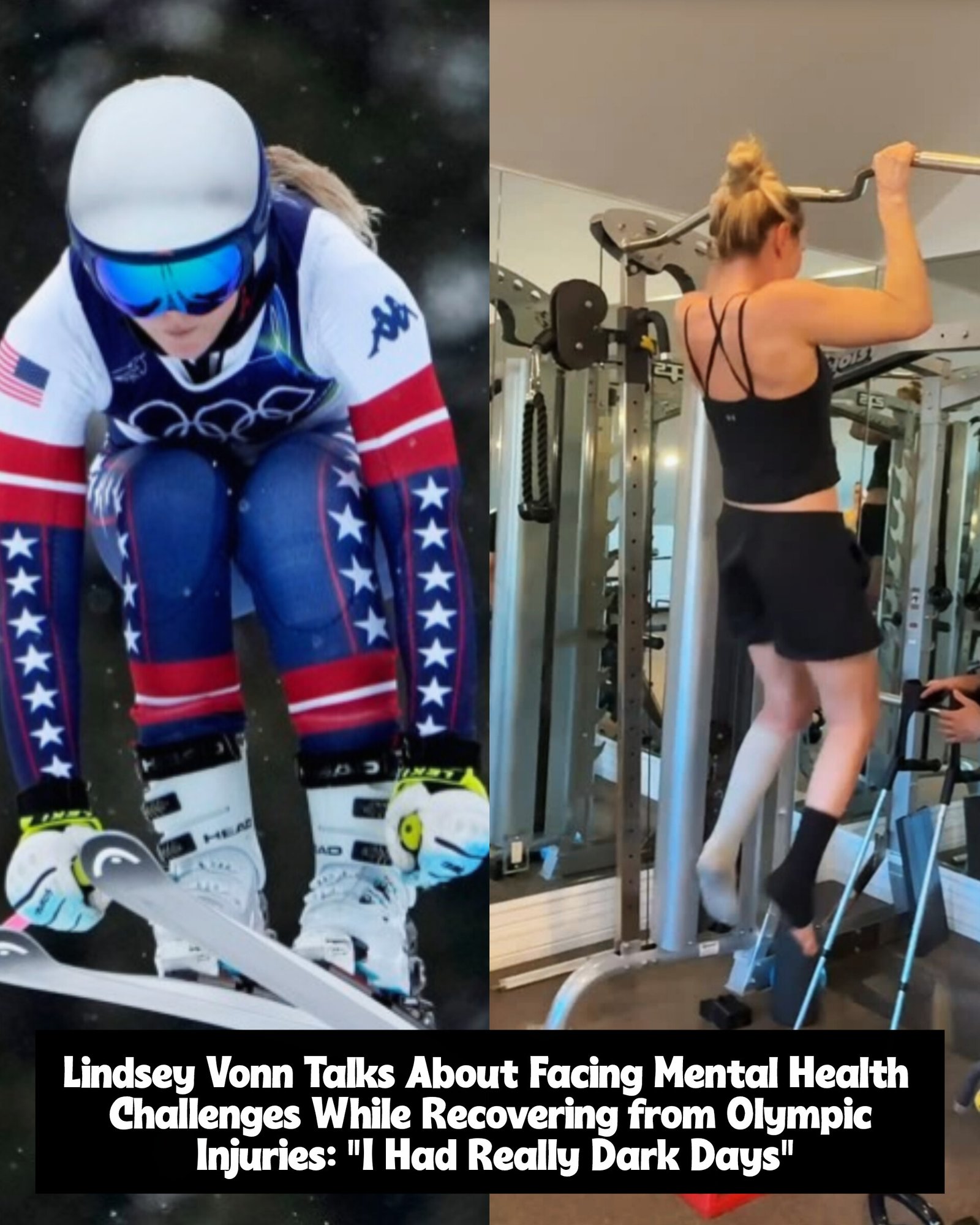
Lindsey Vonn’s return to the Olympic spotlight quickly became one of the most compelling storylines of the Winter Games. However, what initially captured attention for its competitive significance soon shifted dramatically after a series of severe crashes left the veteran skier facing a long and difficult recovery.
At 41 years old, Vonn had already defied expectations simply by returning to compete at the highest level. But just a week before her Olympic appearance, she suffered a torn ACL, a serious injury that would already have been enough to derail many athletes. Unfortunately, matters worsened during the Games when she experienced another violent crash that resulted in devastating physical damage, including fractures to her tibia, fibula, and ankle.
Following the accident, Vonn underwent surgery to repair the broken bones. However, her recovery became even more complicated when she developed compartment syndrome, a dangerous condition that can lead to severe complications if not treated quickly. Fortunately, the situation was handled by Dr. Tom Hackett, the lead doctor for Team USA Ski and Snowboard, whose intervention ultimately saved her leg.
While the physical toll of these injuries was immense, Vonn has since revealed that the mental challenges she faced during recovery were even more difficult to overcome.
In a recent interview with People magazine, she opened up about the emotional strain that accompanied her rehabilitation process. Although she acknowledged that her physical condition has gradually improved, she emphasized that her mental recovery has been far less straightforward.
According to Vonn, the experience has been marked by significant emotional ups and downs. She noted that while the past month has brought some improvement, there were earlier periods that were especially difficult. She described experiencing moments of deep frustration and vulnerability, particularly because of her sudden dependence on others for even the most basic tasks.
For someone accustomed to independence and control, this shift proved incredibly challenging. Vonn explained that she found it particularly hard to rely entirely on others for her daily needs. The situation was made even more difficult by the fact that she spent an extended period alone in the hospital, which added to her sense of isolation.
She remained hospitalized for approximately two and a half weeks, during which time she was almost completely immobile. The inability to move freely or take care of herself created both physical discomfort and emotional strain. Being confined to a hospital environment for such a long time without normal activity or social interaction tested her resilience in ways she had not anticipated.
The timeline of her recovery further highlights the difficulty of the situation. The crash occurred on February 8, but she was not able to return to the United States until February 20. Even then, her journey home was prolonged, and it took nearly a full month after the accident before she was finally back in a familiar environment.
During this period of isolation, Vonn also had to contend with the pressures of public scrutiny. Like many high-profile athletes, she found herself at the center of online discussions, with countless people offering opinions about her injury and recovery.
She admitted that reading these comments was often difficult. Many of the opinions came from individuals who lacked a true understanding of ski racing and the physical demands of the sport, yet spoke with confidence about her situation. This disconnect added to her frustration, as she felt misunderstood by those commenting from afar.
Although she made efforts to avoid engaging with social media, it remained one of her few connections to the outside world during her hospital stay. This made it harder to completely disconnect, as it was also a source of communication and distraction during an otherwise isolating time.
Vonn acknowledged that there were moments when she struggled to ignore the negativity. At times, she found herself responding to critics on platforms like Twitter, engaging directly with individuals who were questioning or criticizing her.
She reflected that this wasn’t always the best approach, but emphasized how difficult it was to remain silent in the face of constant judgment. For her, responding occasionally felt like a way of standing up for herself, even if it sometimes led to further frustration.
Looking back, she admitted that she may have engaged more than necessary, but also pointed out that the circumstances made it understandable. Being isolated, physically limited, and emotionally strained created a situation where small triggers could feel much larger.
Despite these challenges, Vonn’s openness about her experience highlights the often-overlooked mental aspect of injury recovery. While physical healing is measurable and visible, the psychological impact can be more complex and enduring.
Her story underscores the reality that recovery is not just about rebuilding strength and mobility, but also about regaining confidence, independence, and emotional balance. For elite athletes like Vonn, who are used to operating at the highest level, the sudden loss of control over their bodies and routines can be particularly jarring.
As her recovery continues, Vonn’s reflections offer insight into the resilience required to navigate such setbacks. While she has made progress physically, her candid discussion of the mental hurdles she faced adds depth to the narrative of her comeback.
Ultimately, her experience serves as a reminder that even the most accomplished athletes are not immune to vulnerability. Behind the headlines and achievements are individuals dealing with complex emotions, particularly when faced with serious injuries and the long road back to health.
Vonn’s willingness to share these struggles not only sheds light on her personal journey but also resonates with anyone who has faced adversity, highlighting the importance of patience, support, and mental strength during recovery.
-
 Blog7 months ago
Celtic issues a fiery VAR statement after Trusty’s red card appeal is dismissed, as furious chiefs release referee audio publicly.
-

 Blog1 week ago
Former official calls on SFA to contact Rangers over fan scenes during Celtic match, labeling them “completely unacceptable.”
-

 Blog7 months ago
Celtic informed their January signing under Martin O’Neill that he wouldn’t play a single minute this season.
-
 Blog7 months ago
Celtic issued an £83 million warning amid looming UEFA threats.
-

 Blog7 months ago
SFA Expected to Review Missed Penalty in Rangers v Celtic Clash
-

 Blog6 months ago
Police respond after reported disorder following Middlesbrough vs Millwall clash
-

 Blog1 year ago
“Courtside to Aisle-Side: Tyrese Haliburton and Jade Jones Set New Wedding Date”
-
 Blog7 months ago
£6m star is looking to leave Rangers this summer and has already announced his next club publicly.